

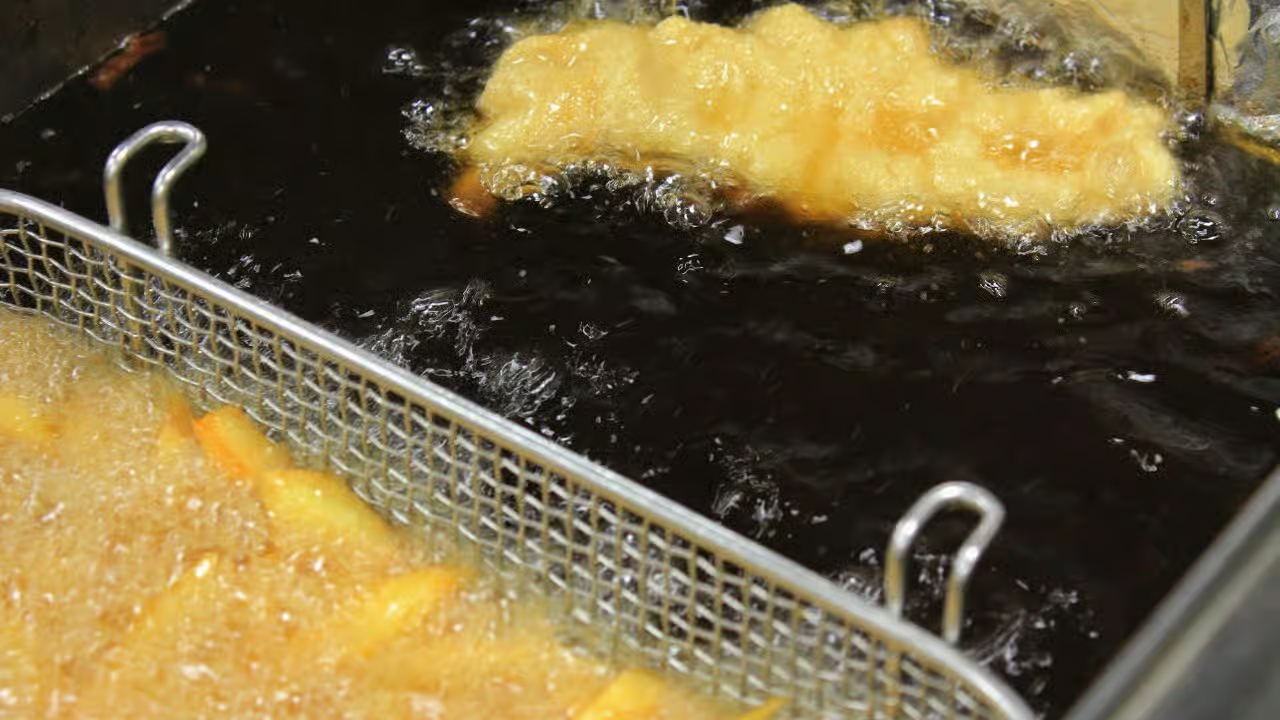
In recent years, kitchen safety has become a pivotal focus for both home cooks and professional chefs alike. A significant aspect of this safety revolves around the proper use and maintenance of frying oil. Identifying when frying oil has gone bad is crucial not only for ensuring food quality but also for safeguarding health. Understanding the signs of degraded oil can prevent potential hazards such as fires, off-flavors in food, and adverse health effects.
Frying oil degrades over time due to exposure to heat, light, and air. As it breaks down, its chemical structure changes, leading to alterations in taste and safety. One of the most apparent Bad frying oil signs has deteriorated is a change in color. Fresh cooking oil typically appears light or golden yellow; however, as it ages or becomes contaminated with food particles and residues from previous use, it darkens significantly.
Another indicator of poor-quality frying oil is an unpleasant odor. Good quality cooking oils have neutral or slightly pleasant aromas depending on their type—such as olive or coconut oils which may carry their natural scents—but rancid oils emit sour or bitter smells that are easily noticeable even before heating begins.
Foaming during heating is another tell-tale sign that your cooking oil needs replacing. While some foaming can occur naturally when certain foods are fried (like potatoes), excessive bubbling indicates contamination by water or impurities from previous uses which destabilize the fat molecules within the oil.
Smoke point reduction is a critical factor affecting both flavor and safety in deep-frying contexts. Each type of cooking fat has its own smoke point—the temperature at which it begins to smoke—and using old oils lowers this threshold considerably due to accumulated free fatty acids formed through repeated heating cycles.
Moreover, consuming foods prepared with degraded oils poses health risks including increased levels of harmful compounds like acrylamide—a known carcinogen—which forms more readily at high temperatures with compromised fats than fresh ones do under similar conditions.
To maintain optimal kitchen safety practices regarding frying oils: first ensure regular replacement based upon visual cues such as coloration changes; secondly rely upon olfactory senses detecting any unusual odors prior usage; thirdly observe physical reactions like excessive foaming during culinary processes indicating possible spoilage presence among components involved therein while finally considering overall frequency towards general renewal protocols thus preventing unnecessary exposure toward potentially hazardous substances otherwise encountered inadvertently amidst routine meal preparations undertaken daily worldwide today! This proactive approach ensures not only delicious dishes but also promotes healthier lifestyles through mindful consumption habits cultivated consciously over time by all those engaged actively within gastronomic endeavors everywhere across globe alike!